
The truth about covering tech at Bezos’s Washington Post
And why ‘We the users’ matters more than ever

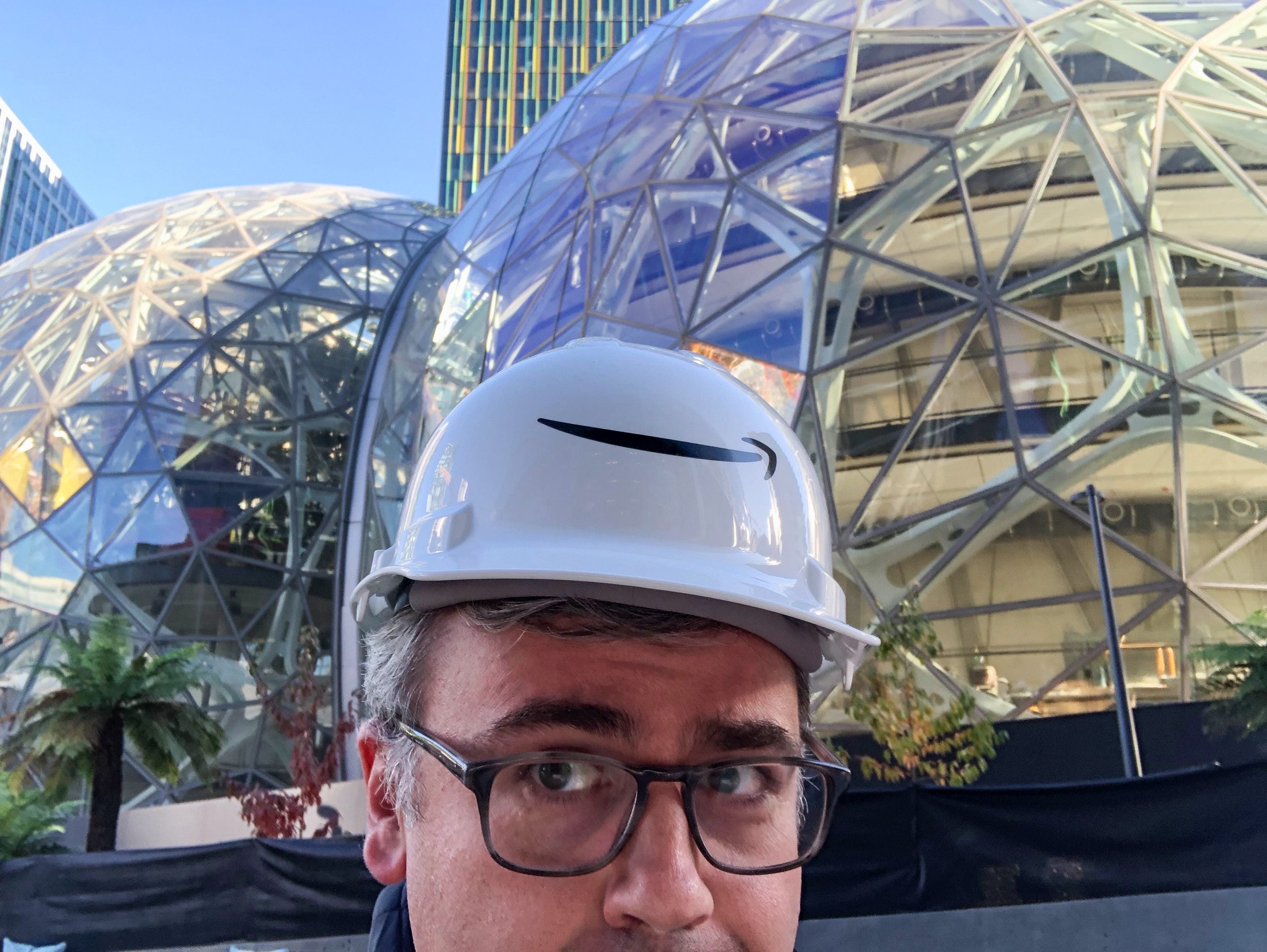
For the last eight years I’ve had to include the following disclaimer in my columns and investigations: “Amazon founder Jeff Bezos owns The Washington Post, but I review all technology with the same critical eye.”
Now, that’s no longer necessary. Last week, the Post laid me off, along with the majority of its tech reporters and more than 300 other journalists.
I’m devastated. But the support I’ve received in the aftermath has reinforced my sense of purpose: to be on the side of the users of technology.
I started this Substack to keep the conversation going about what I think matters in artificial intelligence, privacy, consumer tech, digital rights, sustainability and the power of Big Tech. My next post will dig into one of those issues. But given the news, I wanted my first post-Post post to address the elephant in the room: Bezos.
After the layoffs, the Washington Post no longer has an independent tech columnist who holds Amazon accountable. Nor does it have a dedicated reporter (the fearless Caroline O’Donovan) to investigate Amazon.
As a Post columnist, my job was to help consumers and critique the products and behavior of tech companies. My approach builds on the long tradition of journalists like Walt Mossberg and Julia Angwin, former colleagues at the Wall Street Journal. I explore how tech actually works — or doesn’t — by experimenting with it myself. My motto (coined by my clever colleague Chris Velazco) is, “We the users.”
I shine a light on what works for us, like privacy-first design, responsible AI and repairable gadgets. And through rigorous testing, I often discover aspects of products — hidden in code or design decisions — that work against us. For example, I hacked into my iPhone to see all the personal data it was sharing while I slept at night.
I’ve held all the Big Tech companies accountable — including Amazon. I have published about how Prime is a trap, shopping on Amazon is being ruined by misleading ads, Alexa is eavesdropping on us, Amazon’s smart home products are spies, its publishing monopoly punishes public libraries, and its medical companies invade our privacy. In October, I wrote: “I tracked Amazon’s Prime Day prices. We’ve been played.”
These columns, frequently among the Post’s most read and shared, helped tens of millions of readers. The work prompted changes to products and policy, and even won a few journalism awards. Tech leaders who value independent thinking know this sort of critique helps them make better products and decisions.

Not once in my time at the Post was I told I couldn’t write about Amazon, or that Bezos was displeased. Marty Baron, the executive editor who hired me, used to tell me about all the positive letters he’d get from readers when I told the truth about Amazon. It was useful for the Post — and possibly even Bezos himself — to point to this sort of independence.
The Post’s current leadership hasn’t explained its decision to slash tech coverage publicly or to me privately. The layoffs have been messy, as witnessed by Saturday’s abrupt departure of Post publisher Will Lewis.
In a press release about the Post’s future, Bezos said, “The data tells us what is valuable and where to focus.”
What does the data tell us? Americans have more interest in tech than ever before — and what they want is accountability. According to the Pew Research Center, only 50% of Americans believe tech companies have a positive effect on the way things are going in the country, a 21-point drop from 71% in 2015. Concern specifically about AI is spiking: 50% of adults report being more concerned than excited about AI’s growing role in daily life, a sharp increase from 37% in 2021.
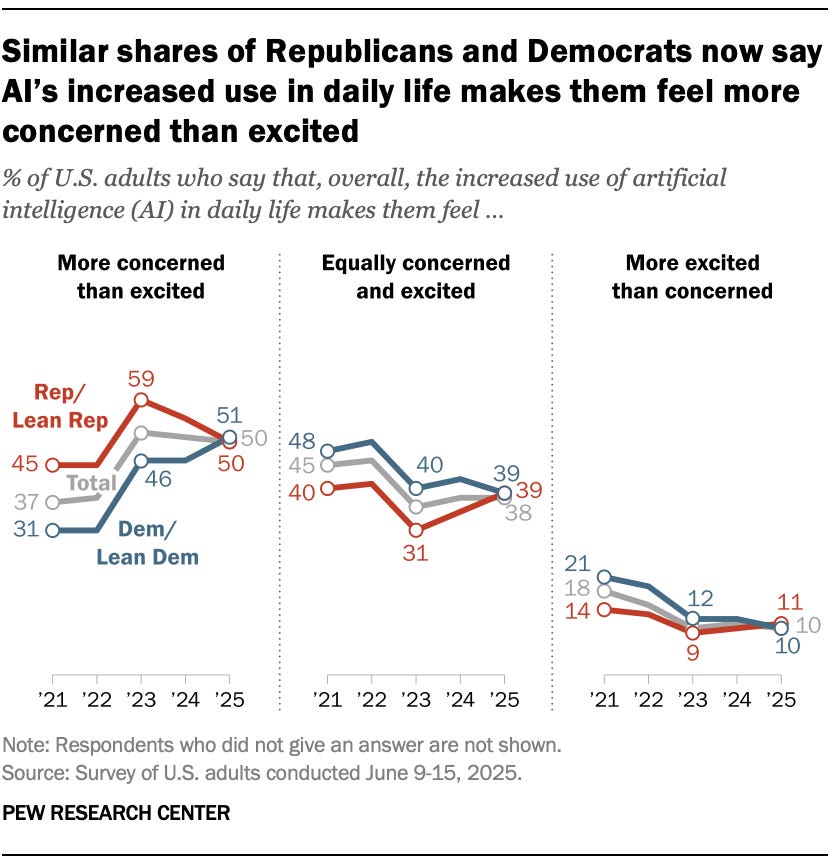
Cuts this deep to the Post's independent technology reporting and criticism run counter to the coverage readers clearly crave.
I also wonder whether the Post still finds it important to demonstrate its independence from Bezos. After years of being a generous and mostly silent owner, he’s recently redirected the focus of the Post’s opinion section and publicly courted Donald Trump. Either way, it’s the end of an era.
But it’s not the end of the road for my work. The grip of tech on everyone’s lives grows ever-tighter, even as the products become less transparent and more consolidated under a few giant corporations.
Working for Baron and many other principled Post journalists sharpened my focus on finding creative ways to help people understand technology. It helped me connect seemingly obscure tech policy issues to the apps and gadgets people use all day long.
I’ll experiment with this Substack. I’d love to hear from you about what topics and issues you think deserve attention or investigation. (Hit reply or comment below — I read everything.)
And if your organization could use expertise in tech accountability, AI, digital rights or investigative journalism, I’d love to hear from you.
I’d like to know more about the information that Amazon collects from the smart home technology. Including the echo Alexa device I haven’t plugged back in since I read about it listening to everything it shouldn’t be listening to. I’m also interested in iPhones and the privacy issues they have. I admit I have an older iPhone (8) but I’m going to be upgrading soon so I’d love to get something that’s safe. Or at least safer. I’m glad you’re here on Substack and it’s unfortunate that you lost your job at the Post. However, I believe you’re heading in the right direction. I personally plan to read all of your post Post posts. Every single post.
Hi Geoff, I loved this first post and can’t wait to read - and even to pay for - more. Having worked with you at WSJ, I know you’re incredibly talented and thoughtful.